


Kellscraft
Studio
Home Page
Wallpaper
Images
for your Computer
Nekrassoff
Informational
Pages
Web
Text-ures©
Free Books on-line
Guide
to
Illustrators Page
|
|
|
|
|
|
|
Kellscraft
Studio |
Wallpaper
Images |
Nekrassoff |
Web
Text-ures© |
Guide
to |
|---|
A
CONSIDERABLE portion of the material included in this volume was first
published in The Outlook, Woman’s Home Companion, The Pilgrim,
Frank Leslie’s Popular Monthly, The New England Magazine, The
Boston Transcript, Town and Country, The Interior and in Harper’s
Weekly. Electrotyped
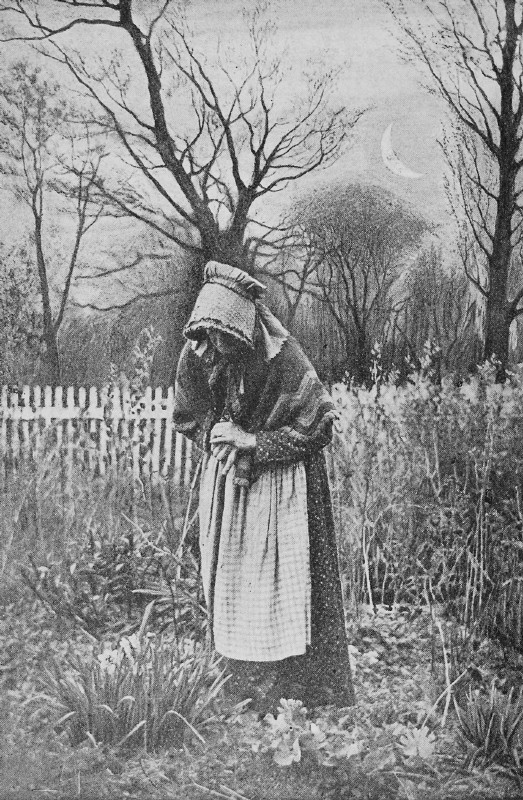
and Printed at the Norwood Press Norwood, Mass. Springtime in an old garden
NEW ENGLAND AND ITS NEIGHBORS
WRITTEN AND ILLUSTRATED
BY
CLIFTON JOHNSON
Published
by
THE MACMILLAN COMPANY
New York
MCMII
LONDON:
MACMILLAN AND CO., LIMITED
Copyright,
1902
by The
Macmillan Company
Set up and
electrotyped September, 1902.
Reprinted
November, 1902.
Contents
In Valley
Forge
Valley
Forge Pond
The Site
of the Old Forge
One of the
Bridges over “Valley Crick”
The
Schuylkill at Valley Forge
A Valley
Forge Footpath
The
Entrance to the Headquarters Mansion
The House
which was Washington’s Headquarters
A Woodland
Teamster
A Load of
Logs on a Forest Roadway
Work at a
Logging-camp Landing
The
Choppers
A
Woodsman’s Rocking-chair
A Mountain
Ox-team
In the
Sleeping Apartment
A Corner
of the Camp Kitchen
A Scaler
A
Logging-camp Dwelling
Considering
his Neighbor’s Fields
In Crown
Point Village
Mending
the Pasture Fence
A Lake
Champlain Ferry
Rhubarb
Ticonderoga
Ruins
The
Pasture in which stand the Old Fortifications
A
Fisherman
An
Adirondack Farmer
Shelling
Seed Corn
Bringing
in the Cows after their Day’s Grazing
Picking up
Chips
The
Kitchen Door of a Log House
Sowing
Oats
Spinning
Yarn for the Family Stockings
A Home in
a Valley
A Roadside
Chat
On
Cooperstown Street
Looking
toward the Town from an Eastern Hillslope
The Margin
of the Lake
Putting on
a Fresh Coat of Paint
Getting
Ready to plant his Garden
Spring
Work in a Farm Field
The
Monument on the Site of Otsego Hall
The Graves
of J. Fenimore Cooper and his Wife
Setting
out the House-plants
Saybrook
Street
In a Back
Yard
Ploughing
out for Potatoes
A Roadway
on the Saybrook Outskirts
Drawing a
Bucket of Water
In the Old
Cemetery
Cleaning
up the Back Yard
The
Seaward Marshlands
Starting
the Garden Parsnips
A Long
Island Stile
On
Easthampton Common
The “Home,
Sweet Home” House
An
Old-fashioned Sitting Room
A
Toll-gate on a Seven Cent Road
Making
Fence Posts A Windmiller
Along
Shore at Sag Harbor
Tinkering
the Road
At the
Schoolhouse Door
A Trout
Stream
The
Fiddler
Grandpa
gives the Boys some Good Advice
The Rain-water
Barrel
Taking
Care of the Baby
The Lonely
Little Church
A
Home-made Lumber Wagon
A Mount
Desert Well
A
Lobster-pot
A Home on
the Shore
Summer
Calm
The
Post-office Piazza
An Old
Schoolroom
A Moonlit
Evening
The Home
Porch
The
Dooryard Fence
After the
Day’s Work
Typical
Outbuildings
A
Grist-mill
Making
Apple-butter
Childhood
Treasures
Farm
Market Wagons
One of the
Street Pumps
On a
Village Sidewalk
The
Juniata
Old-fashioned
Churning
Digging
Potatoes in a Weedy Field
A Home on
the Mountain Side
The Buckwheat
Thresher — Fair Weather or Foul?
A Morning
Wash at the Back Door
On the Way
to the Barn to help Milk
Making
Soft Soap
Binding
Indian Corn Considering
Trading
with a Bumboat
The Call
to Dinner
Visiting
Drawing
Water
Two
Canal-boat Captains
The Steamer
dragging the Tow
House-Cleaning Time
Arriving
in New York
The
“Nigger” Target
Children
Sightseers
Without
the Gate
The Stage
from the Neighboring Town
The
Cavalcade of Oxen
On the
Grounds
To Buy or
Not to Buy
Cooking
Apparatus at the Rear of the Eating Tents
The
Pounding-machine
Five Cents
a Throw at the Dolls
A Village
Sign
Anchoring
his Haystacks
An Autumn
Corn-field
A
Cranberry Picker
Harvest on
a Cranberry Bog
In
Provincetown
Looking
over the Cod Lines
An Old
Wharf
Public
Buildings on the Hilltop
A Cape Cod
Roadway
The Mowers
on the Marshes
Introductory
Note
THIS book,
like its predecessors and those that may follow it, is primarily a study of the
rural aspects of national life. The historic or literary background that some
of the chapters have is only incidental and is in no case introduced for its
own sake. The general title of “Highways and Byways,” adopted for the American
series, indicates very well the writer’s itinerary; but, as for the highways,
it is their humbler features I love best, and it is these I linger over in my
pictures and my descriptions. Wherever I go the characteristic and picturesque
phases of the local farm environment always appeal strongly to me, and in what
I have written I have tried to convey to others the same interest I have felt,
and at the same time have endeavored to give a clear and truthful impression of
the reality.
Clifton
Johnson.